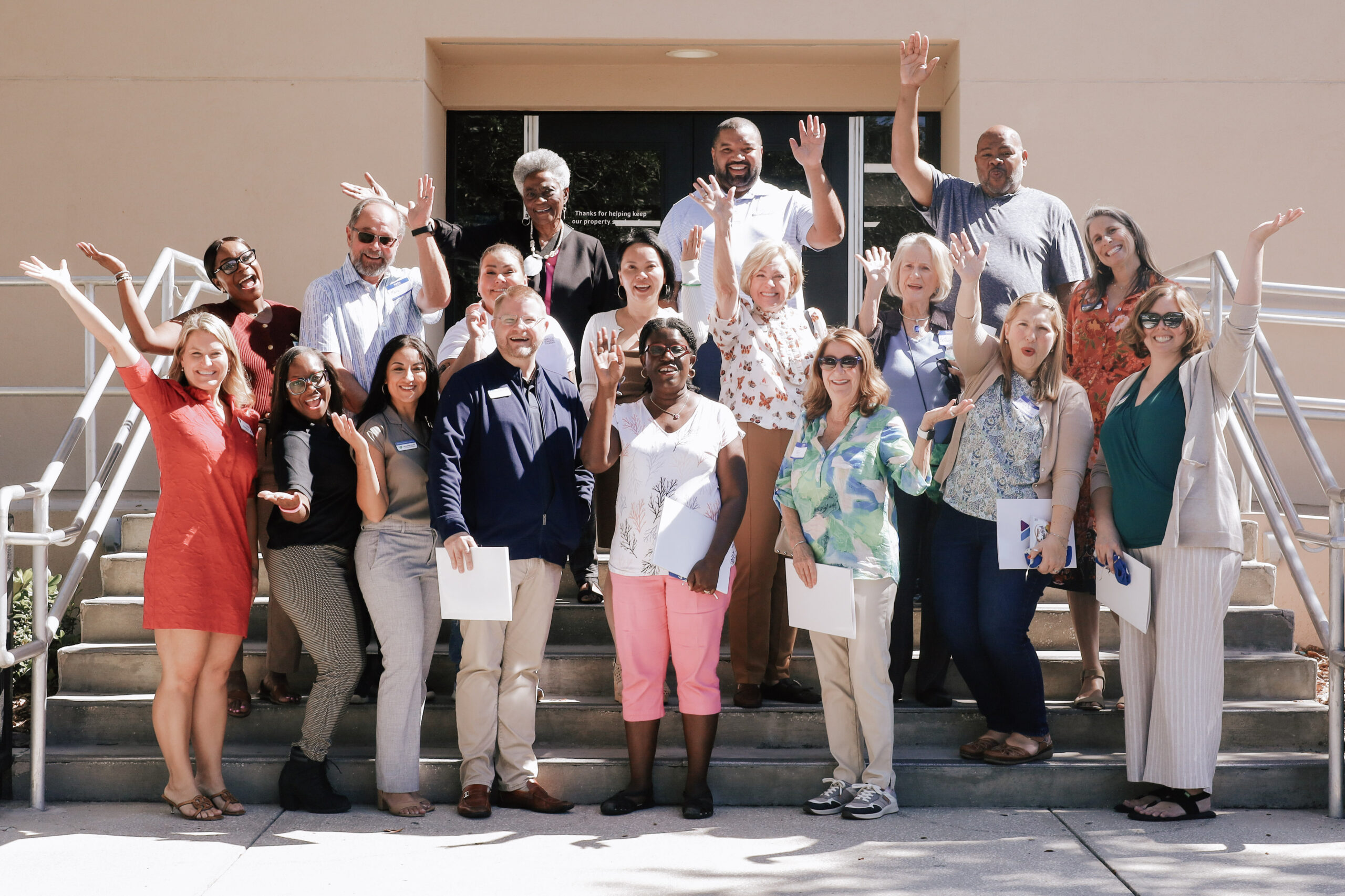
This fall, Pinellas Community Foundation (PCF) hosted a countywide bus tour to see community investment at work. PCF staff, board members, community partners, and supporters spent the day visiting four PCF-supported organizations, listening to frontline leaders, walking through program spaces, and connecting the dots between charitable dollars and real-world outcomes for neighbors. The itinerary spanned North and Mid-Pinellas, offering a balanced look at essential services, arts education, and youth programming, each stop highlighting how steady support and strong relationships translate into results families can feel.
Tours like this are simple in design and powerful in practice. They bring together people who care about Pinellas County, focus attention on what’s working, and provide context for how resources move through the local nonprofit ecosystem. For fundholders and partners, it’s a chance to ask practical questions, understand evolving needs, and align giving with current priorities. For PCF, it’s an opportunity to listen, learn, and share what we’re hearing across the community so that future grants remain timely, targeted, and useful.
Below is a brief recap of the day’s stops and the through-lines we heard again and again: collaboration, dignity-centered service, and measurable progress.
Stop 1: Citizens Alliance for Progress

Where community connection meets family-centered support
Our morning began at Citizens Alliance for Progress (CAP), a neighborhood family center that anchors services around relationships. Participants heard how CAP weaves together after-school enrichment, parent engagement, workforce coaching, and basic-needs assistance so families can access support close to home. Staff walked us through classroom spaces and community rooms, describing a typical week: tutoring and mentoring hours, resource navigation, and family workshops run in partnership with local organizations.
Key takeaway: When services are bundled and local, families spend less time in transit and more time growing skills, building stability, and celebrating wins. CAP’s approach reflects a broader lesson from the day—trusted hubs make it easier for neighbors to find what they need without stigma or red tape.
Stop 2: Dunedin Fine Art
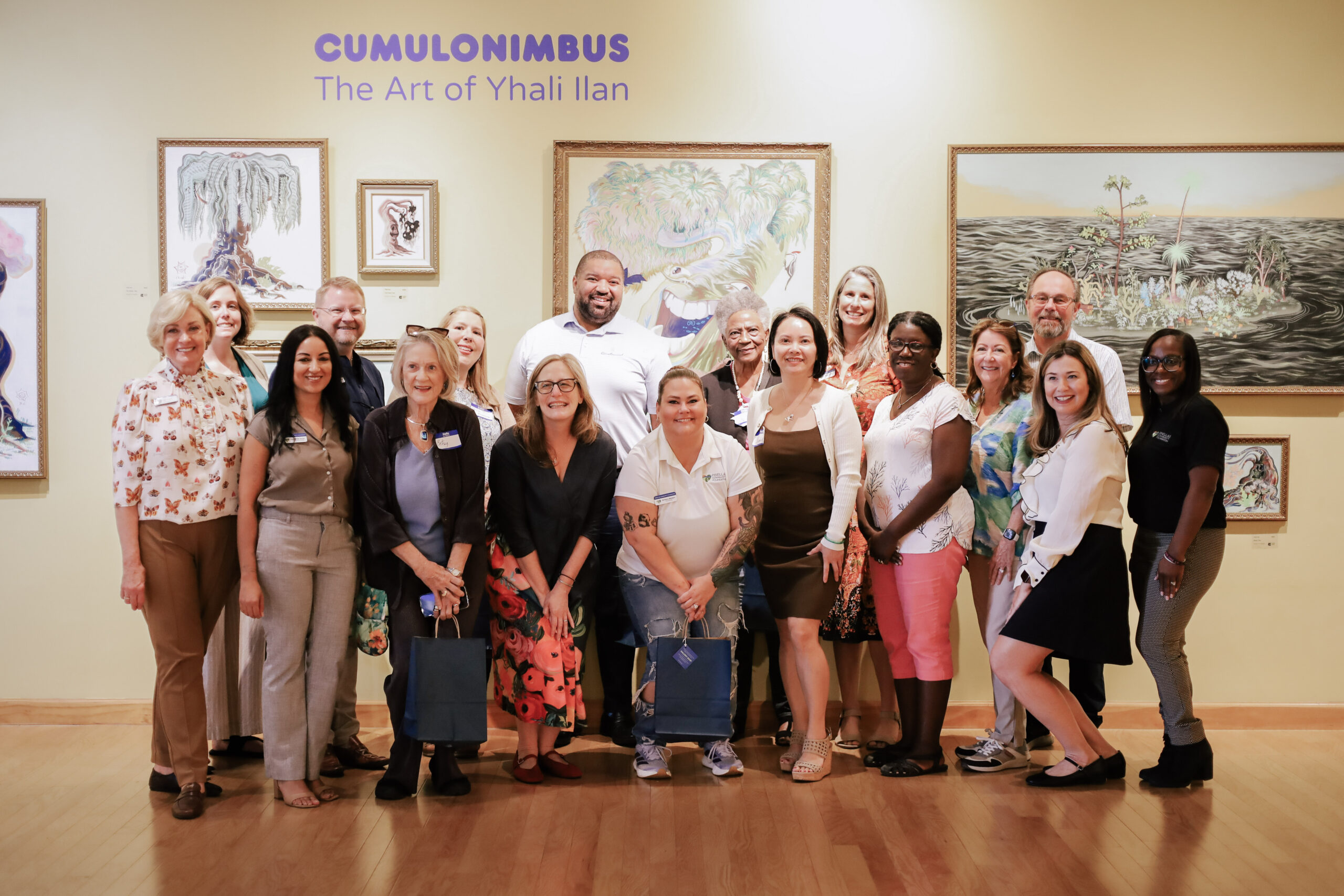
Arts education that opens doors for learners of all ages
At Dunedin Fine Art, the conversation shifted to creativity as a community asset. Staff introduced programs that welcome learners from early childhood to older adulthood, and they emphasized scholarships and inclusive classes that meet people where they are. Participants walked through studios and exhibit areas while hearing how arts education supports cognitive development, social connection, and emotional health—benefits that extend well beyond the canvas.
Key takeaway: Access to the arts isn’t an “extra”—it’s part of a healthy community. When residents can explore, create, and share, we see stronger social ties, improved mental well-being, and new pathways for youth to discover talent and confidence. This stop reminded us that a resilient county invests in both immediate needs and long-term enrichment.
Stop 3: Community Dental Clinic

Closing critical care gaps with dignity and efficiency
Next, the Community Dental Clinic demonstrated how targeted, high-quality dental care can be both compassionate and cost-effective. Leaders explained how the clinic fills a well-documented gap for uninsured, low-income adults by providing comprehensive treatment and education that prevents small issues from becoming emergencies. Tour participants observed procedure rooms designed for efficient patient flow and heard about the clinic’s focus on pain relief, infection control, and ongoing oral health.
Key takeaway: Preventive and restorative dental care stabilizes health, reduces emergency room use, and improves employability and quality of life. Investments here ripple outward—clients return to work, sleep through the night, and re-engage with daily life. The clinic’s metrics, shared in plain language, grounded the conversation in outcomes rather than anecdotes.
Stop 4: Greater Ridgecrest YMCA
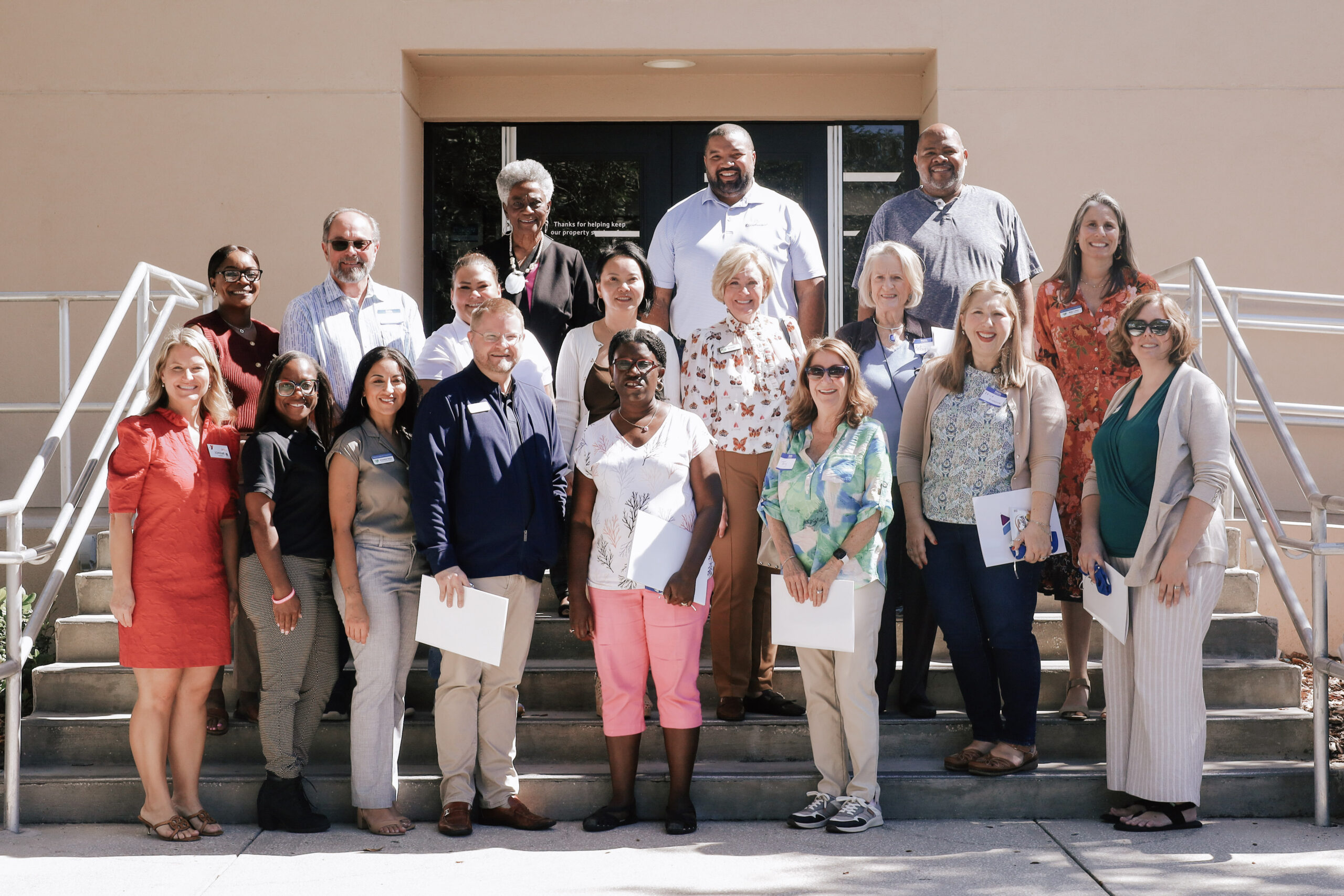
A neighborhood hub for youth development and healthy living
We closed the day at the Greater Ridgecrest YMCA, a hub where youth development, healthy living, and social responsibility come together under one roof. Leaders shared how after-school programming, sports, and wellness initiatives create daily touchpoints that keep kids engaged and families connected. Tour groups visited activity spaces and heard about partnerships with schools and local organizations that expand reach and remove barriers to participation.
Key takeaway: Consistency matters. After-school hours are a crucial window, and programs that combine academic support with physical activity and mentorship help young people build routines that carry into adulthood. The Y’s model reinforced a recurring theme: when nonprofits coordinate, families experience a seamless line of support.
What tied the day together
Across all four sites, several patterns emerged:
- Relationships drive results. The most effective programs invest in trust—between staff and clients, among partner organizations, and with volunteers and donors. That trust accelerates problem-solving and reduces duplication.
- Data guides decisions. Each organization shared practical measures—attendance, wait times, cost per service, and follow-up outcomes—that help leaders adjust in real time.
- Dignity stays at the center. Whether the need is dental care, youth programming, or a creative outlet, people are met with respect. Clear processes, warm spaces, and inclusive policies reduce barriers and encourage sustained engagement.
- Collaboration stretches dollars. Shared referrals, co-located services, and aligned calendars make it easier for families to move from urgent help to long-term stability.
These through-lines reflect how PCF aims to show up: community-first, evidence-led, and focused on practical steps that help neighbors thrive. We value integrity, accessibility, transparency, compassion, and inclusivity—and we hold ourselves to plain language, concrete outcomes, and partnership over headlines.
Why tours matter right now
The needs across Pinellas shift throughout the year. Economic pressures, policy changes, and seasonal surges can stretch nonprofit capacity. Site visits keep us close to what’s changing and where support can do the most good, quickly. For fundholders, a day like this often clarifies next steps: renewing a grant, funding a specific program element, or supporting flexible dollars that allow teams to respond to the week’s realities—not last month’s.
Equally important, tours build a common language. When donors, advisors, nonprofit partners, and PCF staff stand in the same room, questions get sharper, feedback gets faster, and shared priorities emerge. That alignment helps move grants with purpose and keeps reporting straightforward for all involved.
Gratitude for our hosts
Our sincere thanks to the leaders and teams at Citizens Alliance for Progress, Community Dental Clinic, Dunedin Fine Art, and the Greater Ridgecrest YMCA for opening their doors and sharing candidly about challenges, progress, and what’s ahead. The day’s learning will inform how PCF continues to invest: strengthening what works, shoring up operations where needed, and supporting adaptations when demand surges.
Stay connected—and join a future tour
If you’re curious about how philanthropy and solutions come together across Pinellas County, we’d love to connect. PCF Bus Tours are a benefit of PCF Membership and a practical way to see impact up close, meet partners, and ask questions that inform your giving. Whether you’re a current fundholder, an advisor guiding clients, or a neighbor who wants to get more involved, there’s a path to partnership that fits your goals and schedule.
Thank you to everyone who spent the day on the bus—asking thoughtful questions, sharing insights, and seeing firsthand how local philanthropy keeps our community steady. We look forward to the next tour and to continuing this work, together.
Connect with PCF: Giving@PinellasCF.org