By Meg Lokey, Vice President of Philanthropy, Pinellas Community Foundation
When many people hear the term “donor-advised fund,” they assume it is only for extremely wealthy families, major philanthropists, or people making six-figure charitable gifts every year.
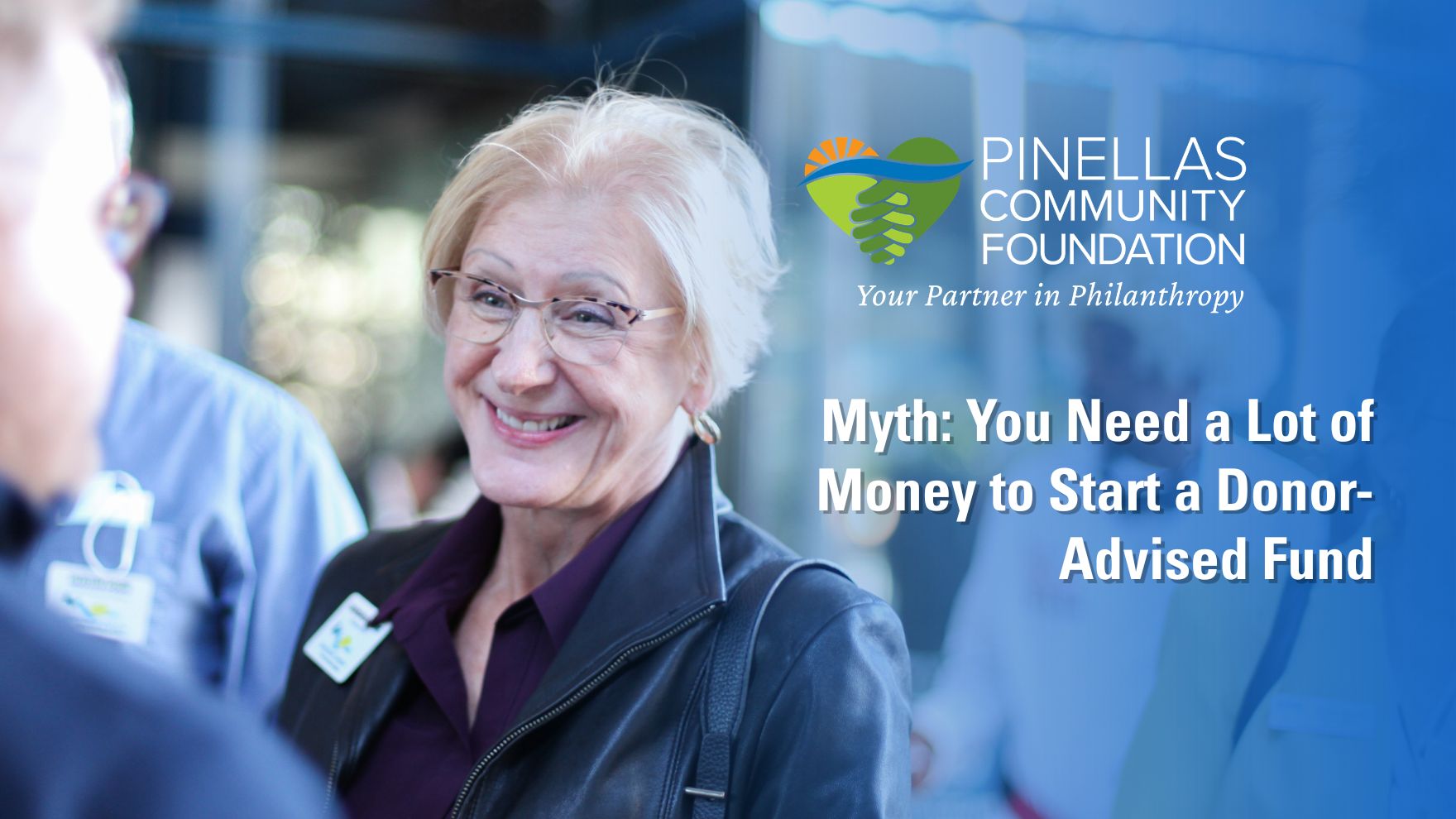
That is one of the most common misconceptions about donor-advised funds, also known as DAFs.
The truth is, you do not need millions of dollars to benefit from a donor-advised fund. In many cases, a DAF can be a practical planning tool for families who already give consistently, want to be more intentional with their charitable dollars, and may benefit from organizing several years of giving around a key financial moment.
For advisors, this myth is important to address because many charitably minded clients may never ask about a DAF on their own. They may assume it is not relevant to them. But for the right client, a donor-advised fund can make charitable planning simpler, more flexible, and more strategic.
A DAF Is Not Just for “Major” Donors
A donor-advised fund is a charitable giving account. A donor contributes assets to the fund, receives a charitable deduction if eligible, and then recommends grants to qualified nonprofit organizations over time.
That structure can be helpful for clients who want to separate the timing of their charitable deduction from the timing of their actual gifts to nonprofits.
For example, a client may normally give to several charities every year. They may support their church, local food bank, alma mater, animal rescue, scholarship fund, or community foundation initiatives. But in a normal year, those gifts may not be enough to create a meaningful tax benefit, especially if the client does not itemize deductions.
Then something changes.
They sell a business. They receive a large bonus. They sell appreciated securities. They go through a liquidity event. They have a higher-income year. They are advised to rebalance a portfolio. They want to reduce exposure to a concentrated position.
That is when charitable planning can become much more powerful.
Instead of giving cash each year without a broader strategy, the client may be able to contribute more in one year to a donor-advised fund, potentially receive a charitable deduction if eligible, and then recommend grants to their favorite charities gradually.
The Power of Bunching Charitable Giving
One of the most practical uses of a donor-advised fund is bunching.
Bunching means a client combines multiple years of charitable giving into one tax year. Instead of giving the same amount directly to charities every year, the client contributes several years of giving into a DAF in a year when it may make sense from a tax-planning perspective.
Then, from the donor-advised fund, they can continue supporting charities on their normal schedule.
The donor can make a larger charitable contribution into the fund during a strategic planning year, then recommend grants to charities year by year. This keeps the donor’s giving consistent for the nonprofits they support, while still allowing the donor to plan more intentionally.
The Entry Point May Be Lower Than Clients Think
The actual minimum may also surprise clients.
At Pinellas Community Foundation, donors can establish a donor-advised fund with an initial contribution of $5,000, far less than many people assume. Many donors contribute more than that, but a donor does not need to start with hundreds of thousands or millions of dollars.
For some families, the first contribution may simply be the amount that makes sense for that year’s charitable plan. Later, if another planning opportunity arises, they may add more to the fund.
That could happen when a client sells appreciated stock, receives an inheritance, sells real estate, retires, or experiences another financial event that creates an opportunity to think differently about giving.
The key is that a donor-advised fund does not have to begin as a massive philanthropic vehicle. It can begin as a practical, flexible account for organizing charitable giving.
Cash Is Not Always the Best Asset to Give
Many donors are used to giving by check or credit card. That is simple, familiar, and still valuable. Charities are grateful for those gifts.
But from a planning standpoint, cash may not always be the most efficient asset to give.
For clients who hold appreciated securities, it may be worth discussing whether donating those assets could make more sense than selling them first and then giving cash. In some cases, donating appreciated assets may help the client avoid capital gains tax while supporting charitable goals.
This is where advisors can add tremendous value.
The goal is not to make charitable giving more complicated. The goal is to help clients give in a way that aligns with their financial picture.
Why Advisors Should Bring Up DAFs Earlier
Clients do not always think to mention charitable giving during financial, tax, or estate planning conversations. They may view giving as personal, separate, or too small to discuss.
But many families are already giving more than they realize across the course of a year. They may support multiple organizations, respond to disaster relief needs, give at year-end, attend fundraising events, or help local causes close to their heart.
When advisors ask about charitable giving, they can uncover opportunities to make that giving more intentional.
Some helpful questions include:
“Which organizations do you support every year?”
“Do you expect your giving to stay consistent over the next five years?”
“Are you planning for any liquidity events this year?”
“Do you hold appreciated assets that you are already considering selling?”
“Would you like to involve your family in charitable decisions?”
These questions can open the door to a donor-advised fund conversation without making the client feel like they need to be ultra-wealthy to participate.
The Bottom Line
You do not need a lot of money to start a donor-advised fund. You need charitable intent, a desire to plan thoughtfully, and a giving strategy that could benefit from flexibility.
For some clients, a DAF may be most useful during a major liquidity event. For others, it may help organize annual giving, support bunching strategies, or create a more intentional family giving plan.
If you are considering how to make your charitable giving more intentional, or if you are an advisor helping a client explore their options, I would be glad to talk with you. At Pinellas Community Foundation, we help donors and their advisors understand the charitable strategies available and determine what may be the right fit for their goals.
Please feel free to contact me to begin the conversation.
About Meg Lokey
Born and raised in Pinellas County, Meg Lokey brings more than two decades of fundraising and donor engagement experience to her role as Vice President of Philanthropy at PCF.
Meg Lokey works with donors, families, and professional advisors to help align charitable giving with personal values, planning goals, and community impact through Pinellas Community Foundation.